

The first time I lifted a pair of binoculars in a Malaysian mangrove, I expected to see a heron or two. Within an hour I had logged a Collared Kingfisher, a pair of Brahminy Kites wheeling over the river mouth and a Common Sandpiper bobbing along the mud, a small bird that had flown in from northern Asia to spend the winter here. That was the moment I understood why birders from around the world keep coming back to Malaysia, and why I now plan my own year around the migratory season.
Malaysia sits on the East Asian–Australasian Flyway, one of the great bird migration routes on the planet, stretching from Siberia and Alaska down to Australia and New Zealand. Add the resident species of some of the oldest rainforests on Earth, cool highland cloud forests and a long, varied coastline, and you have a country where a beginner can see dozens of species in a morning and a seasoned lister can still chase rarities. This is the checklist I wish I had been handed on that first trip.
When to Go: The Migratory Season
Resident birds are here all year, but the real excitement runs roughly from September to March, when migrants escape the northern winter. The first shorebirds and flycatchers begin appearing in September, numbers build through October and November, and the season closes with a spectacular northbound raptor passage in February and March, as birds of prey head back to their breeding grounds.
One practical note: the northeast monsoon brings heavy rain to the east coast of Peninsular Malaysia from around November to February, while the west coast and the highlands remain more birdable. I plan east coast trips for the shoulder months of September, October and March, and save the wettest weeks for the west coast and Borneo. Wherever you go, mornings are best. I aim to be in position by seven, before the heat builds and the birds go quiet.
Common Species to Look For
You do not need to know hundreds of names to enjoy your first trip. I suggest learning a starter set in three groups.
Start with the everyday residents. Around towns, gardens and parks, look for the Oriental Magpie-Robin, Yellow-vented Bulbul, Pink-necked Green Pigeon, Asian Glossy Starling and the tiny, brilliant Olive-backed Sunbird. Along coasts and rivers, the Collared Kingfisher, Little Egret, Brahminy Kite and the magnificent White-bellied Sea Eagle are reliable companions.
Next come the migrants, which are what make the season special. On mudflats and wetlands, watch for Common Sandpiper, Common Redshank, Whimbrel, Pacific Golden Plover, Lesser Sand Plover and the Chinese Pond Heron, which arrives in its dull winter plumage. In forest edges and gardens, the Asian Brown Flycatcher, Arctic Warbler, Brown Shrike and Blue-tailed Bee-eater are among the easiest to find. Overhead, from February to March, the Oriental Honey-buzzard, Black Baza and Chinese Goshawk steal the show.
Finally, there are the headline residents that draw international birders: hornbills, trogons, broadbills and pittas. You will not see them in every garden, but the right forest and a good guide put them well within reach.
My Five Favourite Spots, and Where to Stay
1. Kuala Selangor Nature Park, Selangor


Source: Bird Malaysia, Bird Watching Asia
About an hour and a half from Kuala Lumpur, this wetland reserve at the mouth of the Selangor River is the easiest introduction to Malaysian birding I know. Managed by the Malaysian Nature Society, it combines a brackish lake, secondary forest and mangroves, with watchtowers and hides placed around the water. Around 156 species have been recorded here, 57 of them migratory. For larger flocks of shorebirds, I drive on to the coastal mudflats around Tanjung Karang, roughly 20 kilometres away, and time my visit with the incoming tide.
The park itself offers simple A-frame huts, chalets and dormitories, which put you on the trails at first light. If you prefer hotel comforts, Kuala Selangor town has several modest hotels a few minutes away. Stay for the evening and take a boat out to see the synchronous fireflies along the river, a lovely reward after a day of birding.
2. Fraser’s Hill, Pahang


Source: Bird Watching Asia
Roughly two hours north of Kuala Lumpur, this old colonial hill station on the Titiwangsa Range is cool, misty and full of birdsong. More than 250 species have been recorded here, and the montane specialities are what I come for: Silver-eared Mesia, Long-tailed Sibia, Streaked Spiderhunter, Fire-tufted Barbet and, with patience, the Red-headed Trogon. From October, migrants such as the Siberian Thrush and Mugimaki Flycatcher join the mix. The roads and trails are gentle enough for beginners, and the mid-year Fraser’s Hill International Bird Race gives experienced birders a reason to return outside the migratory season.
Wyndham Garden Shahzan Fraser’s Hill, formerly the Shahzan Inn, is the main hotel in town, while The Smokehouse offers English country-house character and afternoon tea by the fire. For budget stays, Puncak Inn runs rooms and apartments near the town centre, and Stephen’s Place B&B has long been a favourite among naturalists. Rooms are limited and fill quickly on weekends and school holidays, so book early.
3. Tanjung Tuan (Cape Rachado), Melaka


Source: Bird Watching Asia
If you can be in Malaysia in March, do not miss this. Tanjung Tuan is the narrowest point of the Strait of Malacca, with only about 38 kilometres of sea between it and Rupat Island in Sumatra, which makes it the natural crossing point for raptors heading north. From mid-February to mid-April, birds of prey funnel over the headland in their thousands. The Oriental Honey-buzzard makes up the vast majority, joined by Black Bazas, Chinese Goshawks and Grey-faced Buzzards. Viewing is usually best from late morning to mid-afternoon, once the thermals build. The Malaysian Nature Society holds its annual Raptor Watch here, typically in mid-March, with guided counts and talks open to the public.
Tanjung Tuan lies about 20 kilometres from Port Dickson, the closest beach resort town to Kuala Lumpur, so accommodation is plentiful. Villea Port Dickson sits a short walk from the forest reserve, and a string of beachfront resorts lines the coast road toward town. I like to watch raptors through the afternoon and finish the day with a sunset swim.
4. Setiu Wetlands, Terengganu


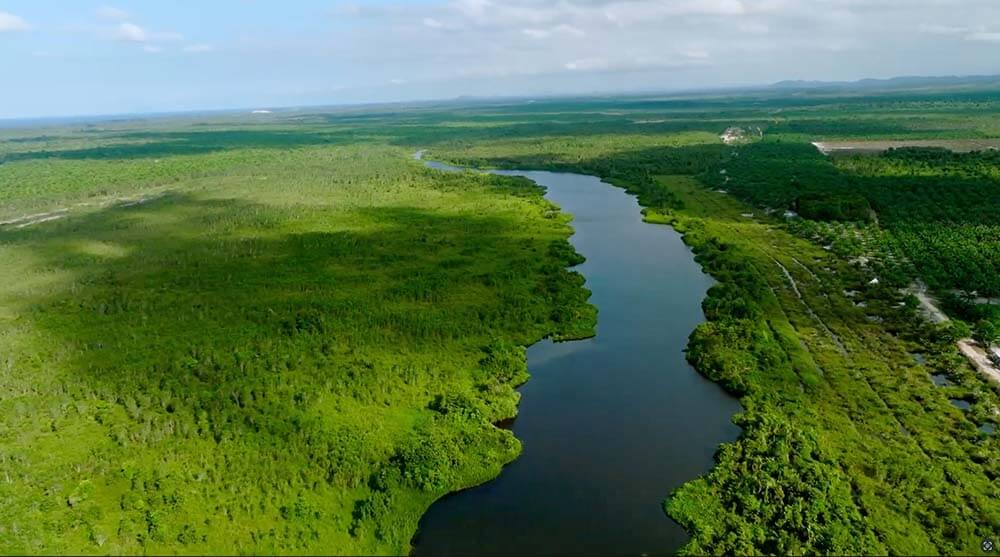
This is the spot I recommend to travellers who want birding without the crowds. On Terengganu’s northern coast, Setiu Wetlands is a rare mosaic of ecosystems, with mangroves, lagoons, rivers, mudflats, seagrass beds, peat swamp and beach all within a compact area. The mudflats feed migratory waders, while the lagoon edges and mangroves shelter herons and bitterns. Surveys here have recorded migrants including the Chinese Pond Heron, Little Egret, Yellow Bittern, Grey Heron and Blue-throated Bee-eater. I like to explore by boat with a local guide, gliding through the mangrove channels at dawn while kingfishers flash ahead. Green turtles also nest on the nearby beaches, which makes Setiu a wonderful choice for families.
My base here is Katsetiu Villas, a small collection of four modern beachfront villas on the quiet Pantai Chalok stretch near Penarik and Bari beaches, about an hour’s drive from Kuala Terengganu. It is one of the closest places to stay for Setiu Wetlands, and the team can help arrange wetland trips and forest hikes. Mornings begin with birdsong in the garden and a complimentary breakfast, the WWF turtle hatchery is about 100 metres away, and bicycles make it easy to explore the surrounding villages. With a pool, full kitchens and space for up to 20 guests across the villas, it suits couples and birding groups alike, and Merang Jetty is ten minutes away if you want a day on the reefs of Redang Island. For a heritage alternative, Terrapuri Heritage Village in nearby Penarik offers restored traditional Malay houses.
5. Danum Valley, Sabah


For the ultimate rainforest experience, I head to Malaysian Borneo. The Danum Valley Conservation Area protects about 438 square kilometres of ancient lowland rainforest, roughly 80 kilometres inland from Lahad Datu, and some 340 bird species have been recorded there. This is where international birders come for Bornean specialities such as the Bornean Bristlehead and Blue-headed Pitta, alongside several hornbill species, broadbills and trogons. Visit during the migratory months and you will find wintering flycatchers and warblers moving through the forest with the residents.
Borneo Rainforest Lodge is the premium choice, set inside the primary forest with air-conditioned chalets, round-the-clock power and expert guides. The Danum Valley Field Centre, a research station, offers more basic rooms and dormitories at a lower cost, and the INFAPRO rest houses nearby provide a mid-range option. Most visits are sold as packages that include transfers from Lahad Datu, so plan and book well ahead.
My Starter Checklist
Binoculars matter more than anything else. I recommend a pair of 8x42s for beginners, bright enough for dim forest and wide enough to follow a moving bird. A field guide to the birds of Malaysia or Southeast Asia, together with a free app such as Merlin Bird ID or eBird, will help with identification and let you log sightings that contribute to citizen science.
Dress for heat and humidity with lightweight, dull-coloured clothing, a hat, sunscreen and a refillable water bottle. In lowland forest, leech socks are worth packing, and a light rain jacket is useful in every season. In the highlands, bring a warm layer, as evenings can drop to around 15°C.
A local guide is the single best investment for a first trip. Guides know where particular birds roost, feed and call, and they will find species you would otherwise walk straight past. The Malaysian Nature Society is a good starting point for guided walks and events.
Finally, bird with care. Keep your distance from nests, avoid playing recorded calls in sensitive breeding areas, stay on marked trails and take your rubbish home. The habitats that make Malaysia so rich are under pressure, and respectful visitors help show that these places are worth more standing than cleared.
Plan Your First Season
If you only have a week, I would pair Kuala Selangor with Fraser’s Hill for an easy introduction from Kuala Lumpur, then add Tanjung Tuan if your dates fall in March. With more time, fly across to Kuala Terengganu for the quiet wetlands of Setiu, then continue to Sabah for Danum Valley. Whichever route you choose, go slowly, rise early and let the birds set the pace. Malaysia rewards patience, and the migratory season is the perfect time to start your own checklist.