
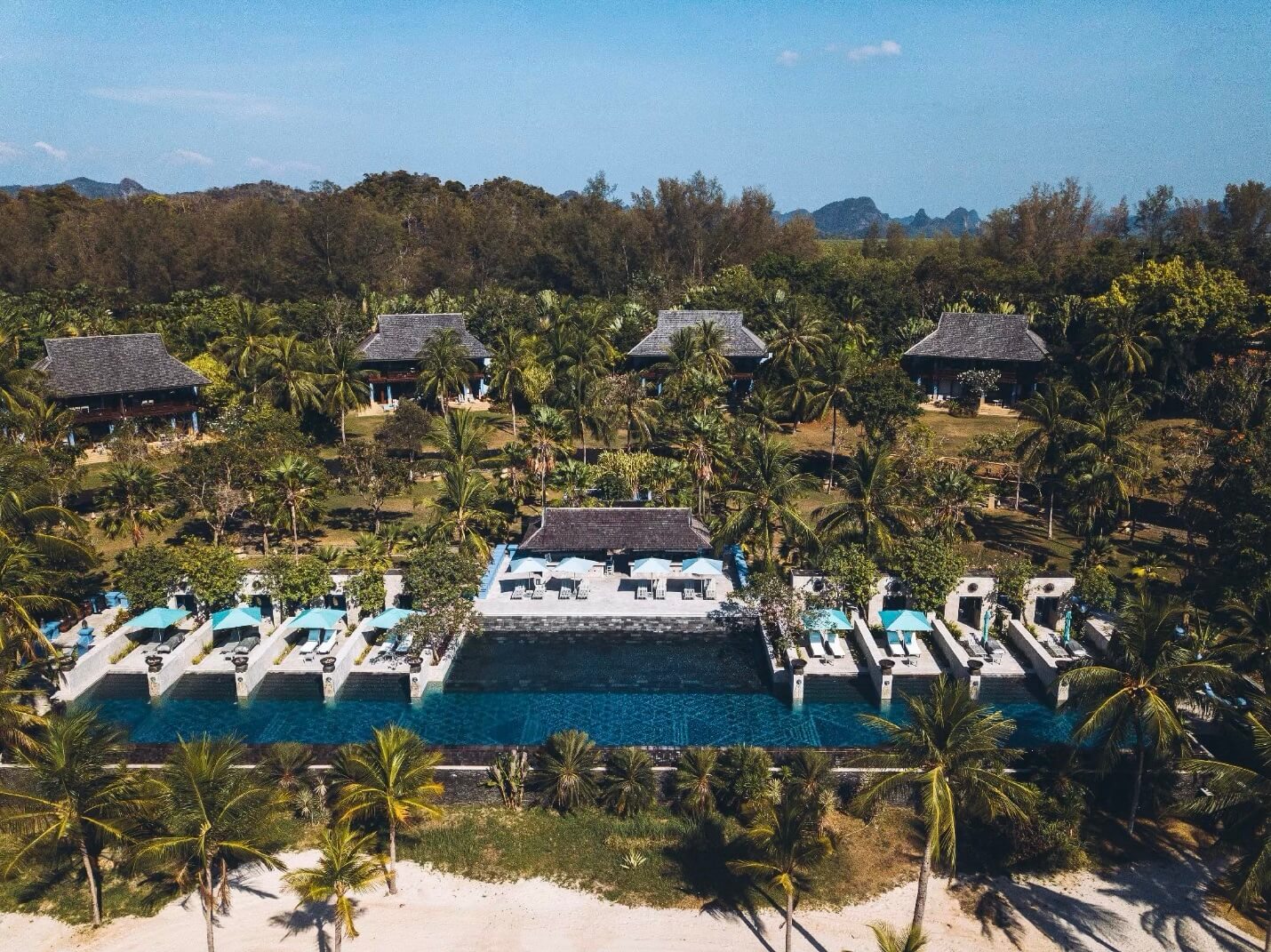
Short answer: yes — but Langkawi rewards travelers who know what they’re walking into and disappoints those expecting a Phuket-Krabi-Bali-style party scene or Maldives-clear water. In a nutshell, it’s a quiet, nature-driven island on the West Coast of Malaysia with genuinely excellent viewpoints, decent average beaches, and a slower rhythm than most Southeast Asian islands.
This honest review of Langkawi goes deeper than the usual “yes it’s worth it” pieces — real prices, honest beach comparisons, third-party reviewer sentiment, video reviews from international travelers, the upsides and downsides other guides gloss over.
First Impressions: Slower Than Phuket or Bali, But More Developed Than It Looks on Instagram
Langkawi is a UNESCO Global Geopark, which is the real reason it feels different from other island destinations — the attractions are geological and ecological (ancient rock formations, mangroves, rainforest) rather than built around nightlife, busy tourists strolling around in bikinis, drunken young lads chasing girls in beach bars or shopping. Roads are wide (two lanes) and easy to self-drive, traffic is minimal, virtually no traffic congestions in any parts of the island and the island’s pace is intentionally unhurried – perfect for slow travel, chilling and a destination for a digital detox.
What most reviews don’t tell you: Langkawi is also a conservative, Muslim-majority island, and this materially affects your trip. During Ramadan, many restaurants and shops run drastically reduced hours until iftar in the evening, and travelers who visit during this period without knowing this often come away thinking the island is “dead” — a complaint that shows up repeatedly on TripAdvisor forums but is really a timing issue, not a reflection of Langkawi year-round.
What Makes It Worth Visiting —
Langkawi SkyCab (Cable Car) and SkyBridge
This is the standout attraction, built for the mass tourists visiting Langkawi and largely lives up to the hype. It is one of the major attractions, a must do activity if you are visiting the island for the first time, and largely packed on weekends.
Standard gondola tickets run from around RM40–55 for adults, with glass-floor gondolas (RM105), 360° open-air gondolas (RM155), and private gondolas (RM500–800) as upsells.
The ride climbs to 708 metres above sea level in roughly 15–20 minutes, making it the highest cable car in Malaysia and one of the steepest in the world at a 42-degree incline. Go on weekday mornings to avoid long weekend and public holiday queues, and expect the SkyBridge to close temporarily in bad weather since it’s an open suspension structure. Budget a half-day if you want SkyDome, SkyRex, and 3D Art Langkawi as well.
Island Hopping — worth doing, but pick your operator carefully
Langkawi’s most popular activity is also its most polarizing on review sites. Shared boat tours typically cost RM30–40 per person, hitting three stops: Pulau Dayang Bunting (Pregnant Maiden Lake), an eagle-feeding point near Pulau Singa Besar, and a beach island (often Beras Basah) for swimming. Lake entry costs around RM6 for adults and RM3 for children, paid separately; kayak or paddleboat rental runs RM20–30 including life jackets. Private charters for up to eight people run about RM350.
The honest caveat, drawn from traveler reviews rather than tour marketing:
Several TripAdvisor reviewers describe the third island stop in Langkawi as a poor beach with little to do, and call the standard package a letdown compared to island-hopping in Krabi, while others complain the speedboats move too fast for comfortable photography and that facilities on the stop islands are minimal.
Kilim Geoforest Park (mangrove tour)
Worth doing separately from island hopping — it covers limestone cliffs, eagle habitat, and river wildlife in a completely different ecosystem. Boat tours run roughly RM200–500 depending on group size and inclusions.
It won’t be the top of the list if you are visiting Langkawi, but it is worth the visit if you are staying more than 2 nights.
One travel vlogger's take worth keeping in mind: the tour makes nature easy to approach, but the staged fish-feeding and eagle-feeding stops can feel like manufactured wildlife encounters rather than an authentic sighting.
So it is less authentic than you would expect from your other adventure island travels in South East Asia.
See It For Yourself: International Traveler Video Reviews
Written reviews only tell you so much — these video reviews from independent international travelers show the beaches, the cable car, and the general condition of the island as it actually looks, not as it’s marketed.
Langkawi Travel Vlog (Malaysia):
A general first-time visitor walkthrough covering attractions, tickets, and beaches.
Langkawi: Is It Better Than Thailand’s Paradise Islands?:
A direct, comparative review asking whether Langkawi holds up against Thailand’s islands — useful for travelers weighing the two.
Langkawi Island Hopping Vlog:
An international couple’s real-time reaction to the island-hopping tour, including water clarity on the day they visited.
We Spent a Week in Langkawi — Is It Affordable?:
A week-long budget breakdown from independent travelers, useful for cost-of-travel comparisons.
First Impressions: Exploring Langkawi Island:
An unscripted first-impressions vlog covering SkyCab, SkyBridge, and initial reactions to the island.
What Real Travelers Are Saying: Honest Reviews About Langkawi
Most “is it worth visiting” articles skip this part entirely. To give a fair picture of Langkawi, here is what recurring feedback on TripAdvisor and traveler forums actually says — paraphrased from multiple independent reviews rather than cherry-picked.
On Beach and water quality
This is the single most common review about Langkawi across TripAdvisor. It is unfortunate the Langkawi does not have crystal clear waters as compared to 16 other islands in Terengganu – a state known for its crystal clear islands that attracts millions of divers and beach lovers.
Multiple independent reviewers describe arriving at their resort beach to find old seaweed, litter, and murky, silty water rather than the postcard image used in marketing photos. So you may be a little disappointed after finding out the beach quality in Langkawi is rather average.
"The beach had a lot of seaweed on it (not new) and litter and the sea was very murky."
— TripAdvisor review, Westin Langkawi Resort & Spa
A long-running TripAdvisor forum thread on Langkawi’s water quality confirms this isn’t a one-off: locals and repeat visitors note that clarity genuinely varies day to day depending on the moon, weather, and which side of the island you’re on, but that public beaches in particular tend to be poorly maintained with noticeable litter.
"The beaches on Langkawi are not that great especially the public beaches... a lot of litter."
— TripAdvisor forum, Langkawi water quality thread
A more severe account describes a beach with visibly brown water, plastic debris, and even a health issue after swimming in Langkawi.
"The water was a putrid brown and my husband came down with an ear infection after going swimming."
— TripAdvisor review, "Filthy beaches not worth the visit"
Jellyfish incidents in Langkawi are more common
A 2025 safety guide compiling reported incidents found 102 jellyfish sting cases across Langkawi between 2022 and 2024, with Pantai Cenang — the island’s busiest beach — accounting for the largest share at 47 cases, followed by Pantai Tengah at 17. Risk increases after storms, at dawn and dusk, and around murky or seaweed-heavy water, which overlaps with exactly the conditions described in the beach-quality complaints above.
Our best tip, try not spending too long swimming in the beaches in Langkawi Island.
A sense of faded or under-maintained infrastructure
A widely discussed TripAdvisor forum thread describes visiting after Koh Lipe and finding Langkawi comparatively dirty and abandoned, with roughly half of shop premises and hotels along some stretches sitting empty, and Eagle Square largely deserted aside from the statue itself. The same thread includes a strong rebuttal from other travelers, who point out that the original poster visited during Ramadan when opening hours are naturally reduced, and that comparing Langkawi to heavily developed, mass-tourism islands in Thailand is the wrong comparison to begin with — Langkawi is a quieter, nature-first destination by design, closer in spirit to Koh Chang than Koh Samui.
"Its heyday was many decades ago... 50% of all shop premises and hotels are empty and abandoned."
— TripAdvisor forum, "Do not visit Langkawi"
Attractions showing their age
Separately from the beaches, some of Langkawi’s older paid attractions draw similar criticism.
A recent review of Underwater World Langkawi describes cramped, poorly maintained animal enclosures and murky tanks that visitors found upsetting rather than educational — worth knowing if you’re weighing which attractions justify the entry fee.
It is not worth visiting to these places and better spend lazing around in the 5 star resorts of Datai, or Danna.
What this means for your trip
- Don’t assume every beach matches the marketing photos — check recent reviews for your specific hotel’s beach, not just the town or region.
- If swimming is a priority, Tanjung Rhu consistently rates highest for water clarity; Pantai Cenang and Pantai Tengah carry the highest jellyfish incident counts.
- Visiting outside Ramadan, and outside the July–September jellyfish window, avoids two of the most common sources of traveler disappointment.
- Treat Langkawi as a nature-and-relaxation destination, not a mass-tourism beach resort — expectations set this way line up much better with what reviewers actually experience.
Food and Budget — What You'll Actually Spend
The food scene is genuinely good but not a culinary destination in itself — think solid Malay, Indian-Muslim, and seafood options rather than a Penang-level food pilgrimage. Night markets (Pasar Malam) rotate by location daily and are consistently the best value.
| Tier | Daily Budget (RM) | What’s Included |
| Budget | RM 200–350 | Hostel/guesthouse (RM50–65/night), local food, shared island-hopping tour, scooter rental |
| Mid-range | RM 500–800 | Hotel (RM150–300/night), restaurant meals, one or two private tours, Grab transport |
| Luxury | RM 1,500+ | Beachfront resort (RM900+/night), fine dining, private guided experiences |
Duty-free status is real and worth factoring in: a can of beer costs around RM6 on the island, noticeably cheaper than mainland Malaysia, and alcohol and chocolate purchases are where the duty-free savings actually show up — don’t expect meaningful discounts on electronics or fashion, which is a common misconception. Also budget for the mandatory tourism tax (around RM10/room/night) and a smaller tourism promotional fee, which aren’t always shown in the room rate upfront.
Where to Stay (by Trip Type)
- First-timers / convenience-first: Pantai Cenang or Pantai Tengah — walkable food, tour desks, and beach access
- Quiet luxury / honeymoon: Tanjung Rhu (Four Seasons, Tanjung Rhu Resort) or Datai Bay (The Datai, The Andaman)
- Families with young kids: Pantai Kok — calmer, shallower water and fewer crowds than Cenang
- Budget backpackers: Cenang or Tengah guesthouses, where RM50–65/night options cluster
The Langkawi Beaches Review
| Beach | Best For | Reality Check |
| Pantai Cenang | Convenience, nightlife, water sports | Busiest beach, hotel/restaurant strip on the sand, best sunsets, can feel crowded |
| Pantai Tengah | Balance of quiet + convenience | Calmer than Cenang, still walkable to restaurants and tour agencies |
| Tanjung Rhu | Scenery, quiet luxury | Arguably the most beautiful beach on the island; public access limited to one side |
| Pantai Kok | Families, calm shallow water | Sheltered bay near the cable car; best sand often fronted by resort property |
| Datai Bay | Luxury seclusion | Stunning but accessible only to guests of The Datai or The Andaman |
| Black Sand Beach | A quick, curious stop | Not ideal for swimming, rocky shoreline; worth a short photo stop only |
| Pasir Tengkorak | Escaping crowds | Small, secluded, minimal facilities; bring your own food and water |
One detail almost no other “is it worth visiting” article mentions: jellyfish season. Certain beaches post warnings between July and September, particularly 8–10 days after a full moon when jellyfish congregate to reproduce — vinegar or salt water is the recommended treatment, not urine, despite the popular myth.
How Many Days Do You Actually Need
Best Time to Visit
- December–February: Driest, calmest seas, best for island hopping and snorkeling — also the most crowded and priciest period
- March–April & September–November: Shoulder months — good weather, thinner crowds, lower rates
- May–October: Southwest monsoon brings afternoon thunderstorms and rougher seas that can disrupt boat tours (mornings often stay clear); hotel prices drop significantly
- July–September specifically: Add the jellyfish caveat above if swimming is a priority
Who Should Actually Skip Langkawi
This is the section most travel content avoids, but it matters for setting expectations correctly. As the negative-review analysis above shows, a meaningful share of disappointed visitors either arrived during Ramadan without knowing operating hours would be reduced, expected Maldives- or Philippines-level water clarity, or were comparing Langkawi directly against heavily developed party islands in Thailand.
Practical takeaway: skip Langkawi if you want vibrant nightlife, world-class shopping, or guaranteed crystal-clear water every day of your stay. Choose Langkawi if you want an easy, low-stress island with a genuinely excellent cable car experience, decent (if inconsistent) beaches, good value duty-free shopping, and a slower pace that doesn’t require constant planning.
Getting There
Most travelers fly directly into Langkawi International Airport (LGK) from Kuala Lumpur, Penang, or Singapore, which is the fastest option. The overland/ferry route — bus to Kuala Kedah or Kuala Perlis, then a roughly 90-minute ferry crossing — is the budget-conscious alternative and also how travelers coming from Koh Lipe in Thailand typically arrive.
Frequently Asked Questions
Is Langkawi worth visiting for a first Malaysia trip?
Yes, particularly if you want beaches, nature, and an easy pace without the intensity of KL or Penang. It’s one of the most accessible island destinations in the country by flight.
Are the beaches actually as clean as the photos?
Not consistently. Recurring traveler complaints cite litter, seaweed, and murky water on several public and even resort beaches, particularly after storms. Tanjung Rhu is the most reliably clean and clear; Pantai Cenang and Pantai Tengah see the most complaints and the highest jellyfish incident counts.
Is transport easy once you’re there?
Public transport is limited. Renting a scooter (RM30–50/day) or car, or using Grab, is the standard approach — plan for this before arrival rather than assuming walkability.
When should I avoid visiting?
The May–October monsoon brings rougher seas and afternoon storms that can affect boat tours. If Ramadan falls during your travel window, expect significantly reduced restaurant and shop hours during the day. July–September also carries higher jellyfish activity.
Is Langkawi good for families?
Yes — Pantai Kok’s calm, shallow water and the cable car’s family-friendly package options (SkyDome, SkyRex, 3D Art) make it one of the more manageable island destinations for kids in the region.
How does Langkawi compare to Phuket or Bali?
It doesn’t try to be either. Nightlife, shopping density, and water clarity are all more modest and more variable than Phuket or Bali; in exchange you get a quieter, less commercialized island with fewer crowds and a stronger nature/geopark identity.
Is Langkawi the best destination in Malaysia for snorkelling or diving?
No — and this is one of the most consistent points across dive and snorkel communities. Langkawi sits on the west coast in the Malacca Strait, where visibility is reliably poorer than at the east coast marine parks (Perhentian, Redang, Tioman, Tenggol), which offer clearer water, healthier reefs, and shorter boat rides to the dive sites. Langkawi’s only real underwater option is Pulau Payar Marine Park, roughly an hour away by boat, and even that draws mixed reviews — some visitors describe pleasantly clear water and reef sharks at the pontoon, while others report murky water, littered beaches, and run-down facilities on the same trip. If snorkeling or diving is the main goal of your Malaysia trip, the east coast islands are the better choice; Langkawi works best as an add-on dive day for travelers already there for the beaches, cable car, and island hopping rather than as a diving destination in its own right.
Is Langkawi best for solo travellers, or is it too quiet?
Langkawi is generally well-suited to solo travel and is regarded as safe, easy to navigate, and budget-friendly, with many repeat solo visitors — including solo women — reporting years of trouble-free trips. Renting a scooter or car makes it easy to explore independently, and Pantai Cenang’s hostel and guesthouse scene makes it straightforward to meet other travelers if you want company. The honest caveat: Langkawi is quiet by design, especially outside the Cenang/Tengah strip, and nightlife is limited compared to other Southeast Asian islands, so solo travelers hoping for a lively bar scene or constant social opportunities may find the evenings slow. It suits solo travelers looking for a relaxed, independent pace far better than it suits those looking for a party-island social scene.
The Verdict
Langkawi is worth visiting for travelers who want a relaxed, nature-first island break with one genuinely world-class attraction (the cable car and SkyBridge), decent food, duty-free shopping value, and beaches that are good rather than flawless.
It is not worth visiting if your benchmark is Maldives-level water clarity, Phuket-level nightlife, or guaranteed spotless sand — the recurring negative reviews on beach and water quality are real and worth planning around, not dismissing.
Yes there are plenty of other pristine beautiful beaches and islands in Malaysia (eg: Terengganu or Sabah) that you can explore, making Langkawi the 2nd best beach holiday destination in Malaysia.
Choose your beach base carefully, avoid the July–September jellyfish window if swimming is a priority, and check whether your travel dates overlap with Ramadan before you go.