
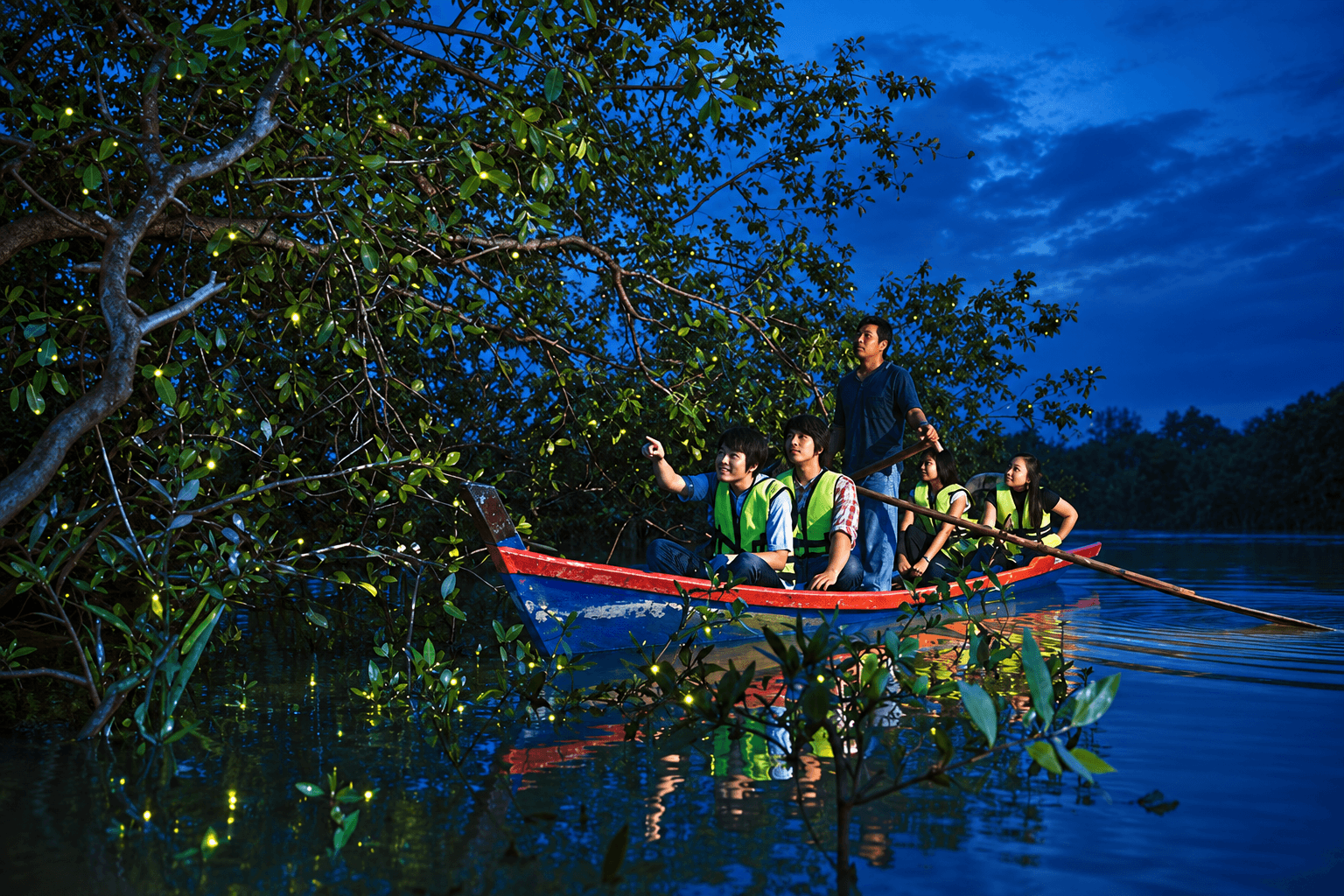
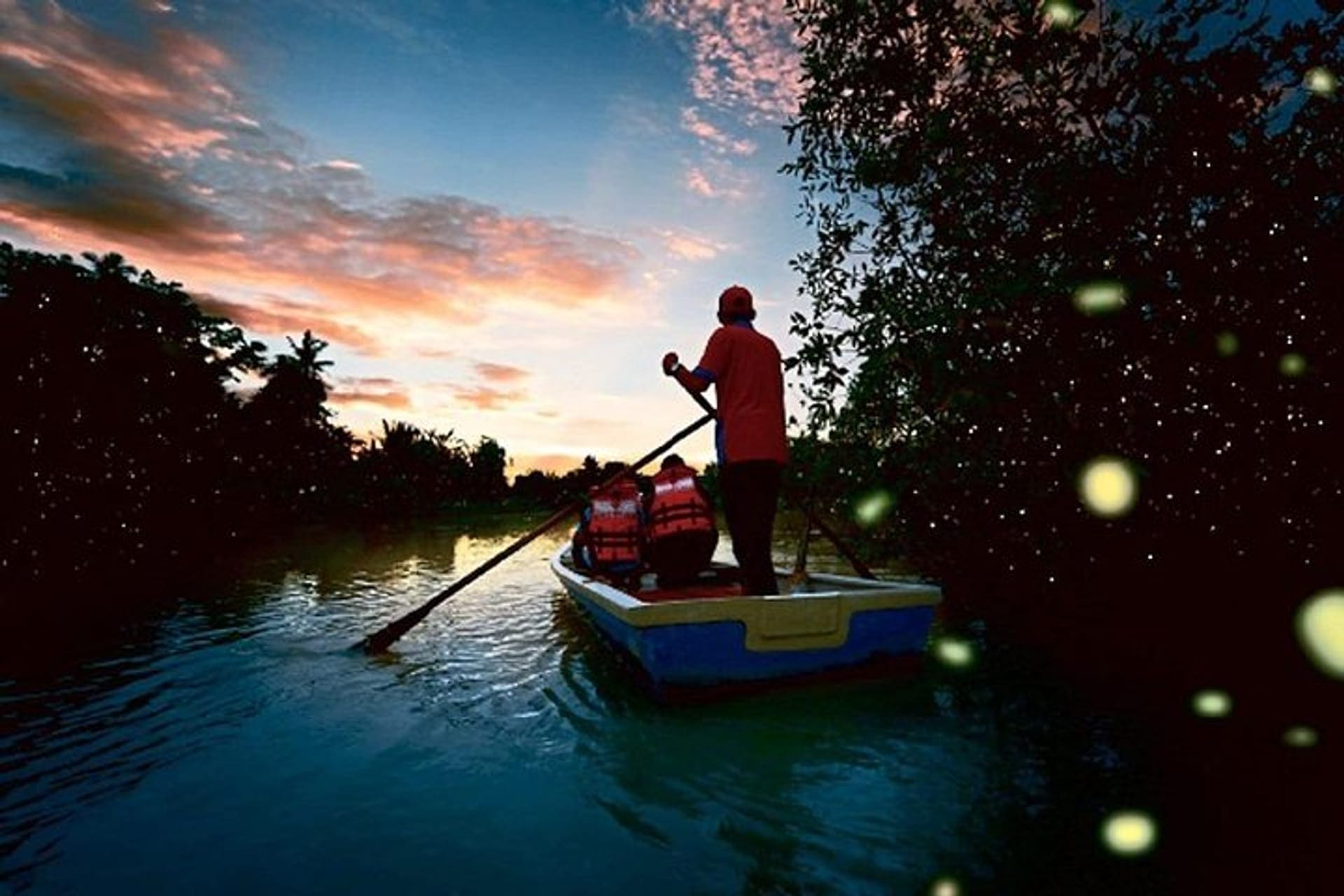
Picture this. It is just past eight in the evening. The engine of a small boat cuts to a low hum, then to silence. Your children, who were chattering all the way from the jetty, suddenly go quiet. Along the riverbank, a single tree begins to glow, then another, then a whole row of them, blinking on and off together as fairy lights someone forgot to switch off.
That is the moment a firefly trip wins over even the most screen-loving child. And the best part? You do not need to fly anywhere exotic to see it. Malaysia has some of the most beautiful firefly colonies in the world, and a night trip to see them makes an easy, memorable family evening during the school holidays.
If you are thinking of adding a firefly night to your next family trip, this guide walks you through what you are actually seeing, where to go, when conditions are best, and what to tell your children before the boat leaves the jetty.
What you are seeing: Malaysia’s “kelip-kelip”
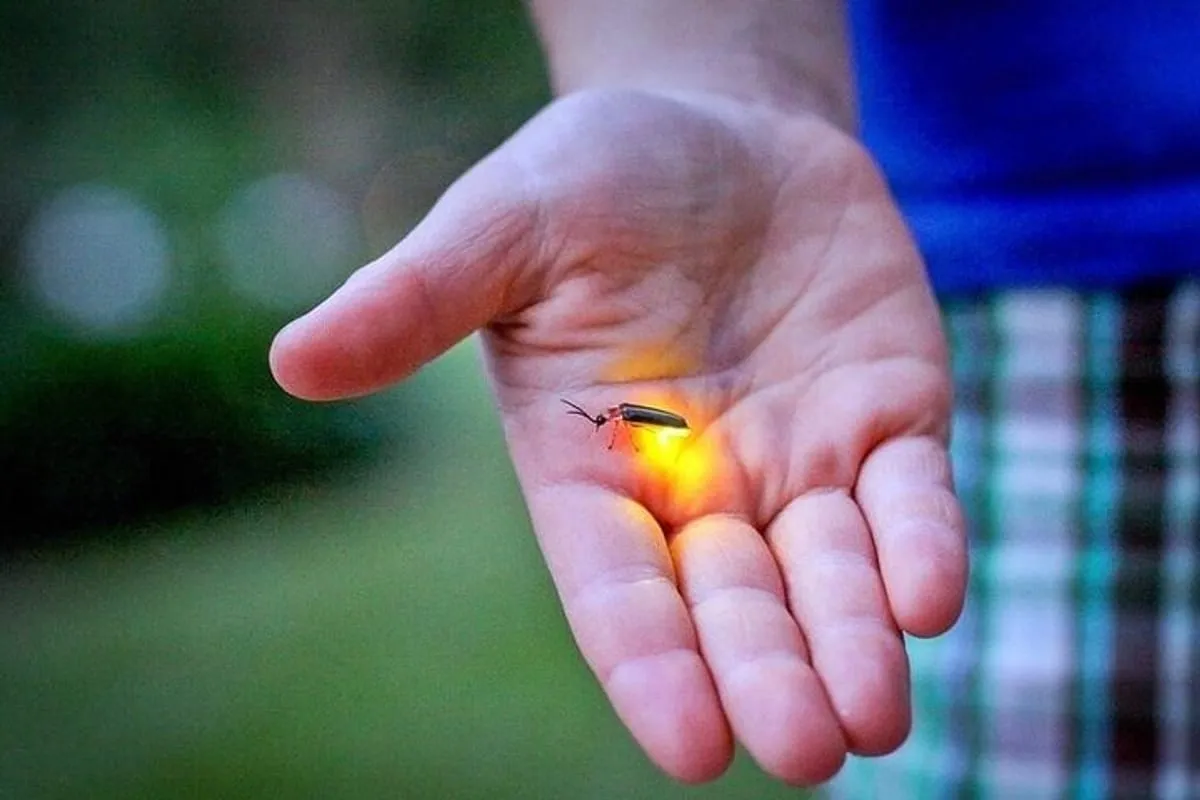
In Malay, they are called kelip-kelip, and the name fits perfectly because they twinkle. The fireflies you will usually see on Malaysian river trips are tiny beetles, about five millimetres long, from a species called Pteroptyx tener. According to Tourism Selangor, they gather on berembang trees, a type of mangrove that grows along riverbanks.
What makes them special is that they flash in sync. Instead of random sparkles, a whole tree seems to pulse at once. The flashing is mostly the males’ way of attracting a mate, which is a fun fact your older children will probably giggle at.
These fireflies rely on healthy mangroves and river edges to feed and breed. A review of firefly habitats in Malaysia describes riverside mangrove trees as the best places for them to live, and notes that firefly populations in the region have been declining. So, when you visit, you are seeing something that is both beautiful and fragile.
Where to see fireflies in Malaysia
You will find firefly spots in several states, but here are a few family-friendly places to start your planning.
Kuala Selangor, Selangor


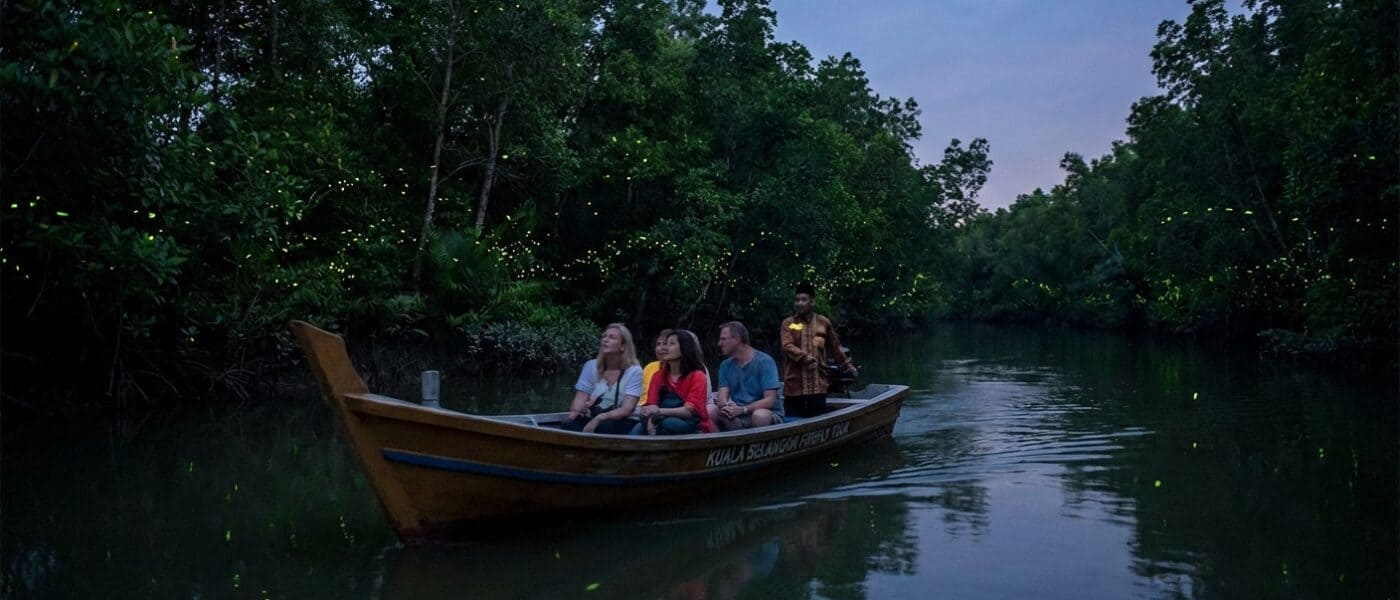
The most famous firefly colonies in the country live along the Selangor River in Kuala Selangor, roughly an hour or so from Kuala Lumpur. Tourism Selangor lists three main viewing points, namely Kampung Bukit Belimbing, Kampung Kuantan and Pasir Penambang. Each uses a different kind of boat, from electric boats to traditional rowed sampans, so you can pick whatever suits your family best. The quiet, rowed sampans are lovely for older children, while bigger boats can feel more secure with toddlers.
Kampung Yak Yah, Kemaman, Terengganu


On the east coast, Terengganu has its own firefly hotspot. The firefly sanctuary at Kampung Yak Yah, near Chukai in Kemaman, was upgraded with a jetty, an information centre and guided boat tours, along with the replanting of thousands of berembang and other mangrove trees to restore the fireflies’ home. It is a nice example of a place where your trip also supports conservation.
Setiu Wetlands, Terengganu
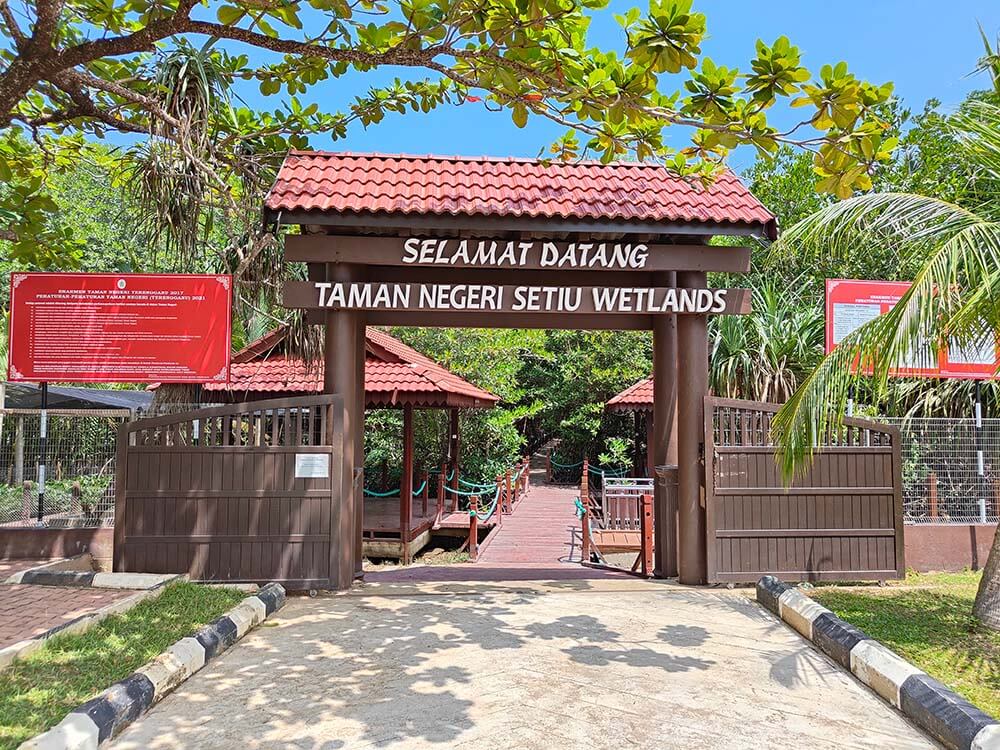


Further north, the Setiu Wetlands, Terengganu’s first state park, is better known for its mangroves, lagoon and painted terrapins. But when the sun goes down, the river edges take on a different life. Terengganu Tourism lists firefly cruises among the Setiu Wetlands experiences, including a tour that pairs a firefly sanctuary visit with the Penarik fishing village.
This is where a Setiu stay becomes a wonderful family plan. If you base yourselves at Katsetiu, a set of private beachfront villas in Setiu, you can explore the wetlands by day and head out for fireflies in the evening, then return to a quiet villa by the sea instead of a long drive back to the city.
The best conditions for firefly viewing
Fireflies are wild animals, not a light show on a timer. So, no one can promise you a perfect night. But you can stack the odds in your favour.
- Go on a dark night. Moonlight and artificial light compete with the fireflies’ glow. Tourism Selangor suggests a clear, moonless night as the best time to go. Check the lunar calendar and aim for the days around the new moon if you can.
- Go early in the evening. Viewing usually starts after dark. It is recommended to go slightly after 8pm, as the displays can quieten later in the night.
- Watch the weather. Heavy rain and strong winds mean fewer fireflies and, more importantly, less safe conditions on the water. On the east coast, the Northeast Monsoon brings the heaviest rain around November to January. If you are travelling during the year-end school holidays, keep your firefly night flexible and have a back-up evening in mind.
- Book with a licensed local operator. They know the river, the tides and which stretches of trees are glowing that week. Ask what time the boats run and whether life jackets for children are provided.
- Keep expectations gentle. Some nights the trees look like Christmas decorations. Other nights you may see scattered twinkles. Both are special, especially to a six-year-old.
What children should know before the trip
A little preparation goes a long way. Children (and adults too) who know what to expect enjoy the trip more, and they are much more likely to behave in ways that protect the fireflies. Here is what you can talk about on the drive over.
1. Fireflies talk with light
Explain that fireflies use their flashes to “talk” to each other. That makes the most important rule easy to understand. Strictly no flash photography and no torches pointed at the trees. Tourism Selangor specifically warns that flash photography is not allowed because it can interfere with the way fireflies communicate. Turn off phone screens too, or keep them dimmed and facing down.
2. We are guests in their home
Remind your children that the river and the trees are the fireflies’ home. That means no shouting, no splashing and no trying to catch fireflies in hands or containers. If one lands on the boat or on a sleeve, enjoy it for a moment and let it fly away on its own.
3. Quiet voices make it magical
Make it a game. Who can whisper the quietest? Children often find that being quiet is part of the adventure, and a hushed boat means everyone gets to hear the gentle sounds of the river at night, from frogs and insects to the soft lap of the water.
4. Safety on the boat
Life jackets on, bottoms on seats and hands inside the boat. Mangrove rivers are beautiful, but they are still rivers. Sit little ones between two adults and hold on to them when getting in and out at the jetty, as jetties can be wet and slippery at night.
5. Why mangroves matter
This is a lovely moment for a mini nature lesson. Without the berembang trees and healthy riverbanks, there would be no fireflies. The same mangroves also protect coastlines and provide homes for fish, crabs and birds. Children who understand this tend to come home with a new respect for “those muddy trees”.
Is a firefly trip right for your family?
For most families, yes. The boat rides are usually short and slow, and there is nothing strenuous involved. Still, it helps to think about your own children before you book.
Toddlers and very young children can find the dark a little scary at first, and sitting still and quiet on a boat is a big ask at bedtime. If your little one is nervous, talk about the trip as a “night adventure” beforehand, bring a favourite soft toy, and choose a larger boat with more space to cuddle up. Some families let the youngest nap in the afternoon so they are fresh enough to enjoy the evening.
Primary school children are the sweet spot. They are old enough to follow the rules and curious enough to ask a hundred questions afterwards. Teenagers may act unimpressed at first, but a tree full of synchronised lights has a way of making everyone put their phones down.
If anyone in your family gets motion sickness, the calm river water is usually gentle, but it is worth asking the operator about the route and the boat before you go.
What to bring on a firefly night
- Insect repellent, applied before you get on the boat (Tourism Selangor recommends it too)
- Light long-sleeved tops and long pants for extra protection from mosquitoes
- Comfortable shoes with good grip for the jetty
- A light raincoat, especially during the rainy season
- Water and a small snack for younger children
- A small towel or wet wipes
- Patience, and maybe extra snacks as a bribe for a calm ride home
Even though it’s a night ride, leave the torch and the camera flash behind. You can take a few photos at the jetty before you go, but on the river, the best memory is the one you watch with your own eyes.
Making it a full family day in Setiu
If you are building a family holiday around the firefly experience, consider turning it into a full day of nature in and around Setiu.
Start your morning with a boat ride or boardwalk walk through the Setiu Wetlands, where children can spot mudskippers, crabs and herons among the mangrove roots. Some local travel businesses offer guides for ideas and fun activities such as guided mangrove trips and tasting local keropok lekor. Head back to the villa for lunch and a comfortable afternoon nap, or a swim and a sandcastle on the beach. Then, as the sky darkens, set off for your firefly trip.
By the time you are back, the children will probably fall asleep in the car. And you can continue enjoying the quiet feeling of a day well spent while listening to the sea breeze.
A small light worth protecting
Firefly trips are one of the simplest joys the nature has to offer. There are no rides, no queues and no screens, just a dark river, a quiet boat and thousands of tiny lights blinking in the trees. It is the kind of evening children remember long after the holiday photos are forgotten.
It is also a chance to teach them something important, that beautiful places need looking after. Keep your voices low, your flashes off and your hands to yourself, and the fireflies will keep glowing for the next family, and the one after that.
Planning your next school holiday? Pair a firefly night with a relaxing stay by the sea in Terengganu. Browse the villas at Katsetiu, explore the Setiu Wetlands by day, and let the kelip-kelip light up your evening.