
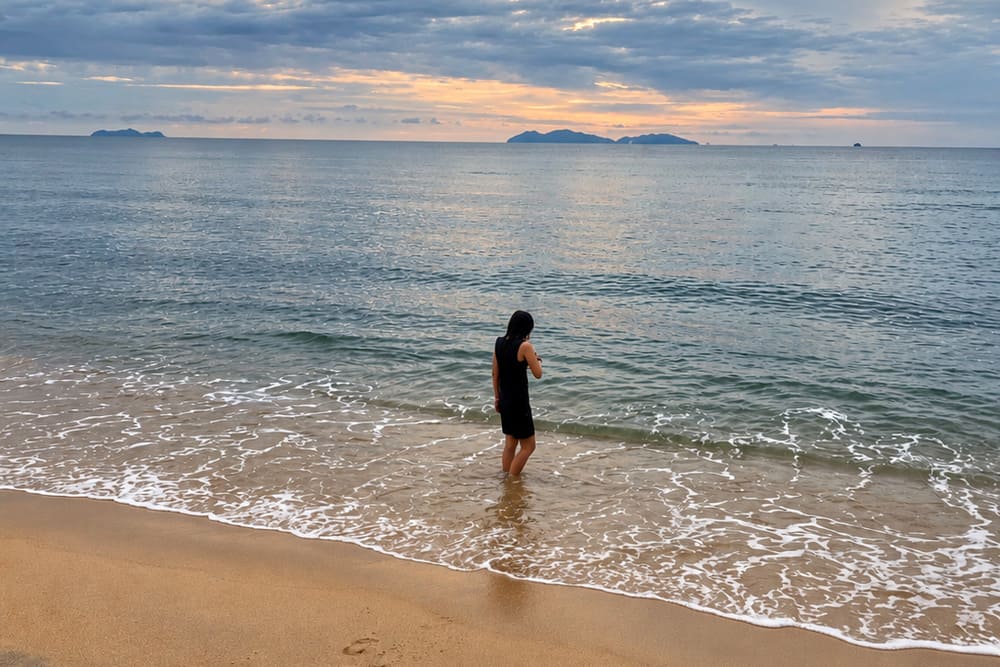
The first time I watched the northeast monsoon arrive on the Setiu coast, I almost missed it. I was sitting on a veranda with a mug of teh tarik, and the South China Sea looked the way it does in any tired afternoon: flat, pale, faintly hazy. Then the horizon went dark, as if someone had drawn a curtain across it. The casuarinas along the shore began to lean south, the waves stopped lapping and started to arrive in long, heavy ranks, and a minute later the rain hit the roof so hard that conversation became pointless. I didn’t move for an hour. I haven’t seen anything on a sunny beach that held my attention like that.
Most advice about Malaysia’s east coast tells you to stay away at this time of year, and for island hopping, snorkelling and swimming, that advice is sound. But I’ve come to believe that the idea of a beach only being worth seeing in sunshine deserves a second look. The monsoon beaches in Malaysia reward people who come for the weather rather than in spite of it: cooler air, empty shorelines, dramatic skies and a coastline that shows you its wilder side, provided you respect its limits.
A Season That Returns Every Year
The monsoon isn’t a freak event. It comes back like clockwork, and that’s part of its appeal. According to the Malaysian Meteorological Department, the northeast monsoon brings heavy rain spells to the east coast of Peninsular Malaysia, with rainfall typically peaking in November, December and January. Locally this is musim tengkujuh, and broadly it runs from around November to March, easing as it goes.
The west coast, sheltered by the mountain spine of the peninsula, follows a different rhythm, which is why Malaysia never really has one single rainy season. Every year differs a little, so I treat these months as a tendency, not a timetable. What doesn’t change is the character of the season on this side of the country: rough seas, big skies and a mainland that stays open while the islands go quiet.


Setiu, Where Lagoon, River and Sea Meet
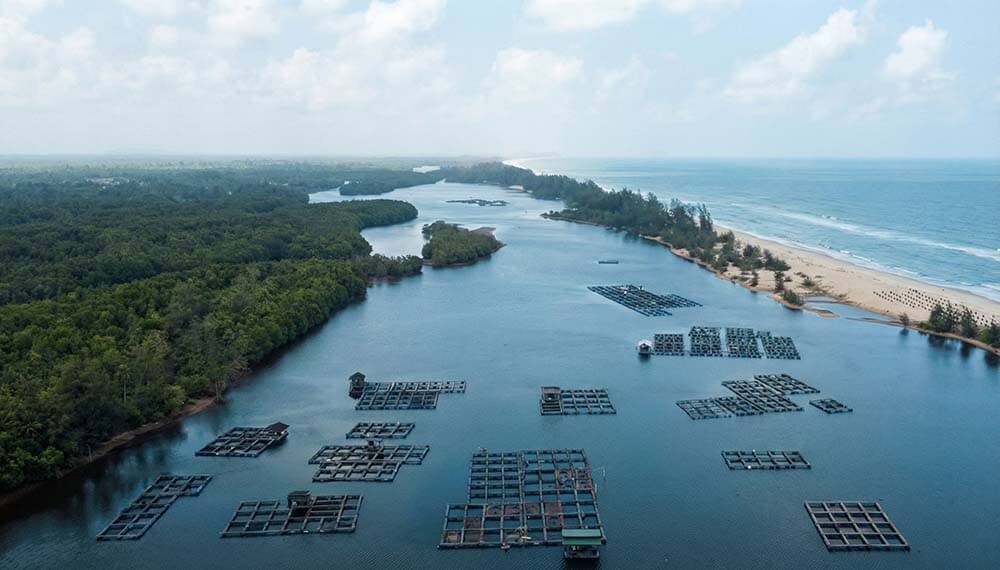
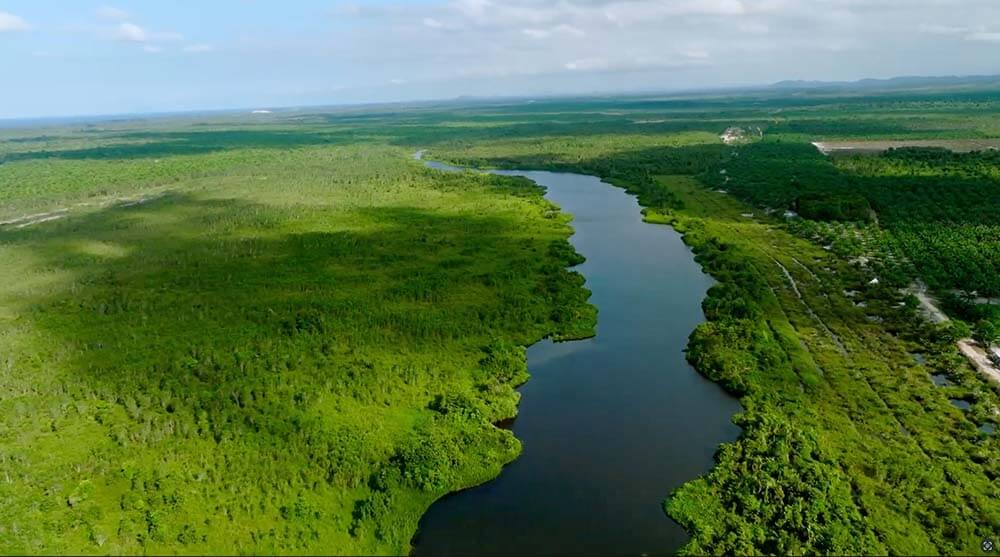
North of Kuala Terengganu, the coast frays into water, and this is the stretch I know best. Setiu is less a single beach than a shifting boundary between land and sea. The Setiu Wetlands State Park is described by the Terengganu state parks authority as the largest natural wetland on the east coast of the peninsula, a web of rivers, lagoons, mangroves, seagrass beds, mudflats, coastal forest and sandy islands.
In the wet months, it becomes a landscape of reflections. A long sand spit separates the lagoon from the open sea, and on a blustery day I like to stand on it and look both ways. On one side the surf churns brown and white; on the other, the lagoon lies comparatively still, holding the grey light like a sheet of polished pewter. Mangrove roots darken as the water rises, and after each squall the air smells of wet earth and salt.
This is also when I pay most attention to birds. The northern winter coincides with our monsoon, so herons and egrets stalking the mudflats are sometimes joined by migratory shorebirds working the tideline between showers. I’m no expert, but a pair of binoculars and a patient hour on the edge of the lagoon have given me some of my favourite memories of this coast. The wetlands are also home to the painted terrapin, a critically endangered river turtle that local conservation work has helped protect, which is a good reminder that this is a fragile place worth treading lightly in.
Boat trips on the lagoon and river depend entirely on conditions, and in the heart of the monsoon they may not run at all. Our Setiu Wetlands guide here on the blog covers the best times to go, and the clearest water and calmest wetland trips come in the drier months. In the monsoon, I’m content to watch from the shore.
Pantai Chalok and the Art of Staying Put
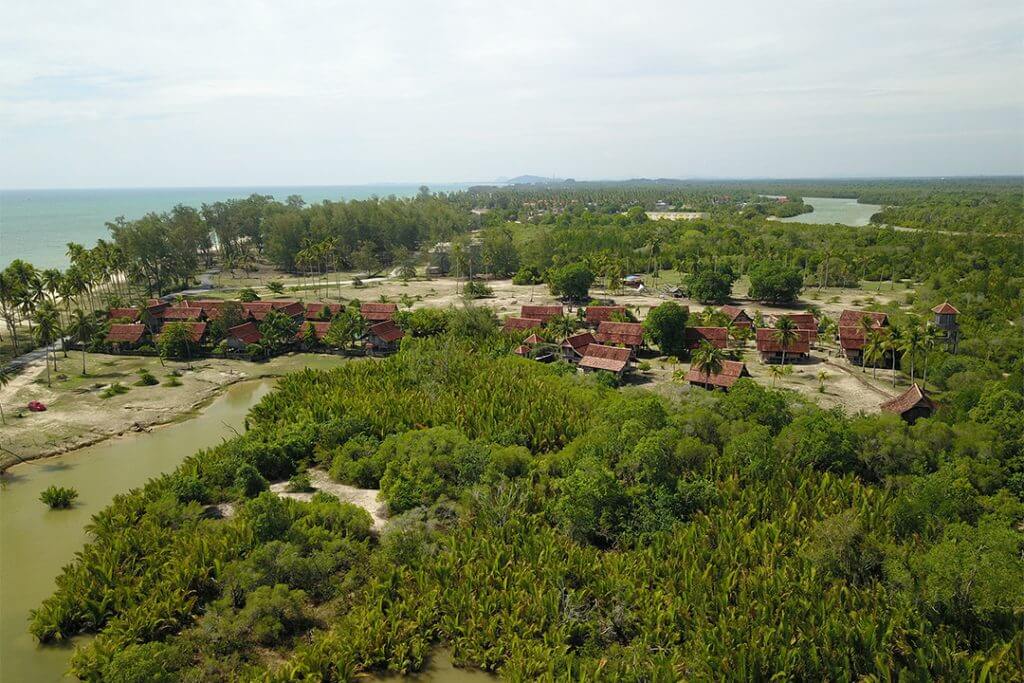
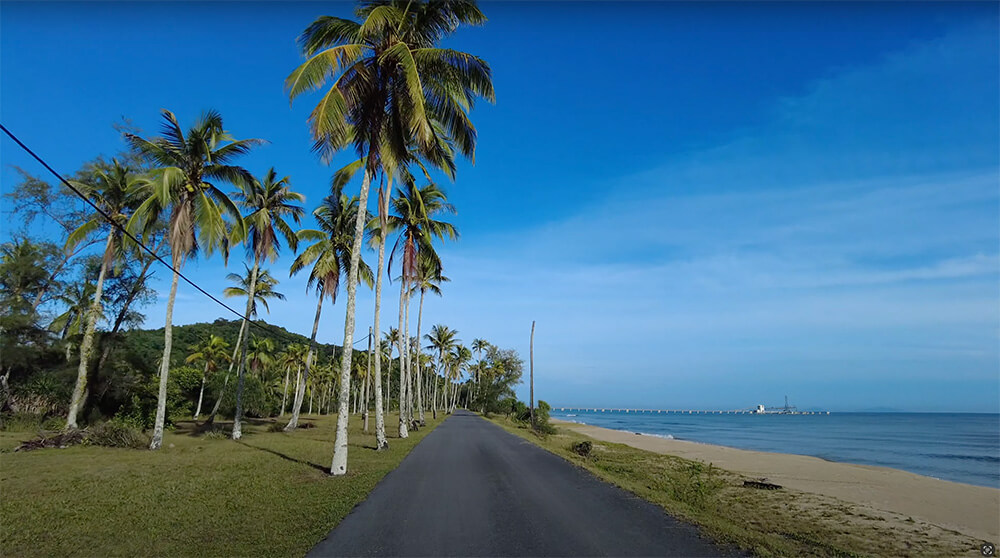
Pantai Chalok, where our villas at Katsetiu sit, is a long, quiet beach with very little built along it. In the dry season it’s a place for barefoot walks and early swims. In the monsoon it becomes something else: a wide, empty stage for the weather.
What I’ve learned is that in this season, where you stay matters more than where you go. You’ll spend more time indoors watching the sky than you would in July, so a base close to the sand turns every storm into a performance. Mornings often bring a bright, breezy window, perfect for walking the tideline and seeing what the night’s waves have left behind: tangled driftwood, seed pods, the tracks of ghost crabs darting back to their burrows. The beach morning glory that creeps across the dunes somehow survives it all. The air itself is the other surprise.
For most of the year, the heat and humidity here can make a midday walk feel like hard work, but monsoon cloud and rain take the edge off, and I find I can stay out on the sand at noon without retreating to the shade. The light changes too. Overcast skies soften the harsh shadows, the greens of the casuarinas and the greys of the sea look richer, and when the sun breaks through after a storm, the whole beach seems to glow for a few minutes. It’s the best time of year for photographs, and I rarely go out without a camera. By mid-afternoon the clouds usually build again, and that’s my cue to head back, make a hot drink and settle in for the show. Nights are the part guests rarely expect to love: rain drumming on the roof, the low thunder of surf in the dark, and, whenever the rain pauses, a sudden hush filled by frogs calling from the wet ground behind the dunes. I sleep better in the monsoon than at any other time of year.


Kuala Terengganu and a Walk Along Batu Buruk
Kuala Terengganu sits at the mouth of the Terengganu River and turns its face to the sea. When the northeast winds arrive, Pantai Batu Buruk, the city’s best-known beach, becomes a place for walking rather than swimming. I like it best early in the morning, when the promenade is quiet and the surf is building.
When the rain returns, the city offers easy shelter. Pasar Payang, the central market by the river, is where I go to linger over batik, songket, dried fish and keropok lekor, still hot from the wok. And when the sky clears, often abruptly, the light that follows is washed, low and golden, catching fishing boats pulled high on the sand.


Further Afield: Kelantan and Pahang
If you have time for a longer loop, the coast in both directions is worth exploring. To the north, near Kota Bharu, Pantai Cahaya Bulan is a long, open beach that takes the full force of the northeast winds. It isn’t a place for swimming at this time of year, but a bracing walk there gives a real sense of distance from the rest of the world.
To the south in Pahang, Teluk Cempedak near Kuantan has granite outcrops at either end of its bay, and in the monsoon swells burst against them and throw spray into the wind. Watch from a café terrace or higher ground, though, not from the rocks themselves. A little further north, Cherating has embraced the season more than anywhere else on the coast. The same swells that stop island ferries bring surfable waves, and the village becomes a gathering point for surfers, with local schools offering lessons when conditions allow. I’m happy watching the lineup from the beach with a coffee.


Living With the Weather
What moves me most about this season is how closely life here follows it. Fishing boats are hauled above the tideline or tucked into river mouths, and the weeks ashore have long been used for mending nets and repairing hulls. Around Setiu, livelihoods are tied to the water through fishing, oyster farming and the making of budu and fish crackers. What reads as atmosphere to a visitor is a livelihood paused for someone else, so I try to be a customer at the village stalls rather than a spectator with a camera.
The food helps, too. East coast cooking is made for cool, wet days. Start with nasi dagang, Terengganu’s rice with fish curry, and in Kelantan look for laksam, soft rolled rice noodles in a rich fish gravy. A glass of teh tarik makes any downpour more bearable.

Planning a Monsoon Trip, Sensibly
The monsoon is beautiful, but it deserves respect. These are the things I tell every friend who asks:
- Admire the sea, don’t swim in it. Currents become strong and unpredictable, and red flags and local warnings should always be taken at their word.
- Stay well back from breaking waves and wet rocks. No photograph is worth it.
- Check the forecasts and warnings from MetMalaysia before and during your trip. Low-lying roads can flood around the peak of the season.
- Build in a spare day or two, and avoid tight onward connections.
- Treat this as a mainland trip. Ferries to Redang, the Perhentians and other islands are usually suspended, and most island resorts close until the calmer months.
- Pack light rain gear, quick-drying clothes, sandals instead of canvas shoes and a small dry bag for your phone and camera.
- Always have an indoor plan: a market, a café with a view, or simply a good book.
Seeing the Coast Beyond the Postcard
The postcard version of a Malaysian beach, all turquoise water and still palms, is real, but it’s only one side of a coastline that spends several months each year in a very different mood. The monsoon shows the sea at full strength, reveals how closely nature and people here live with the weather, and strips away the crowds to leave something quieter and more elemental.
I find a particular satisfaction in knowing a coast through its hardest season: the way the lagoon holds the light after rain, boats drawn up above the tide, the smell of wet sand and frying fish drifting from a stall. It comes back every year, and every year I look forward to it. Approached with respect, the rainy season isn’t the wrong time to see the east coast. It may well be the most honest one.